

The South Asian region is highly susceptible to the ramifications of climate change due to its heavy dependence on agricultural practices, densely populated areas, inadequate infrastructure, limited resources, and insufficient adaptation strategies. The adverse consequences of climate change are readily apparent in numerous domains, encompassing the disruption of livelihoods, the escalation of poverty, the increased frequency of natural disasters, the depletion of glaciers, an increase of food insecurity, the disruption of water resources, the decline of biodiversity, and the emergence of health-related challenges. According to the findings of the Intergovernmental Panel on Climate Change (IPCC), the process of glacial melting in the Himalayan region presents a substantial danger to the water resources upon which about 1.9 billion people living in South Asia heavily rely on this glacial melt. This issue not only endangers the accessibility of water supplies but also presents concerns about the production of hydropower, agricultural practices, economic activities, and overall livelihoods in the area.
Analyses

Rising Tides: How India-Pakistan Peace Can Lift Up 1.5 Billion People
India and Pakistan are two neighboring countries with a history and past full of tense relations. Both countries have been locked in bitter geopolitical struggles. The long-standing animosity and hostility have resulted in multiple conflicts and disputes, hindering progress and development. However, if the two states make peace with each other, then their benefits and advantages will be multifaceted and far-reaching. From economic prosperity and human development to joint action against social evils, the potential gains are immense. One of the central pillars of peaceful coexistence between India and Pakistan is the potential for robust economic collaboration and expanded trade ties. Likewise, the advent of peaceful relations could serve as a bulwark against shared social challenges that have long plagued both nations. Crucially, an atmosphere of peace has the potential to catalyze remarkable advancements in human development indices for both countries. So, the urgency to seek reconciliation and foster mutual understanding has never been more crucial than at present. The time has come for both nations to rise above historical grievances and embark on a transformative path toward a brighter future filled with shared aspirations and progress.

Review | The Sole Spokesman by Ayesha Jalal
Azfar Khan Niazi reviews Ayesha Jalal's book and provides a critical analysis on her central argument regarding Jinnah.

CPEC: Driving Economic Prosperity and Regional Collaboration
The China-Pakistan Economic Corridor (CPEC) aims to transform Pakistan's economy, enhance regional integration, and address challenges. Despite facing opposition and concerns, CPEC offers strategic and economic benefits for China, while providing opportunities for Pakistan's growth and development

Development Disparities: The Struggle for Progress in Newly Merged Tribal Districts
Tufail Dawar discusses the challenge faced by tribal districts of KPK that are lagging behind in development and need federal support for sustainable development.

Western Financial Hegemony- a New Form of Colonialism
The Western world is exhibiting a persistent inclination towards its imperialistic tendencies, reluctant to allow global access to freedom, prosperity, and human dignity. This behavior is rooted in the historical foundation of their modern empires, making it a substantiated reality rather than a mere assertion or fiction.

From Confusion to Clarity: The Impact of Career Counseling
Career counseling is an urgent requirement of time in Pakistan. No one can deny the importance of career counseling. Various research are conducted both nationally and internationally which show the benefits of career counseling. Career counseling can also reduce unemployment which is a pressing issue in Pakistan these days. It will help the students in making informed decisions about their future.

The Case for Democracy Against Authoritarianism
A country’s progress and prosperity depend upon the kind of political system it has and whether it is aligned with the preferences and interests of the people. In general, democracy is considered to be the ideal form of government as it is “government of the people, by the people and for the people.
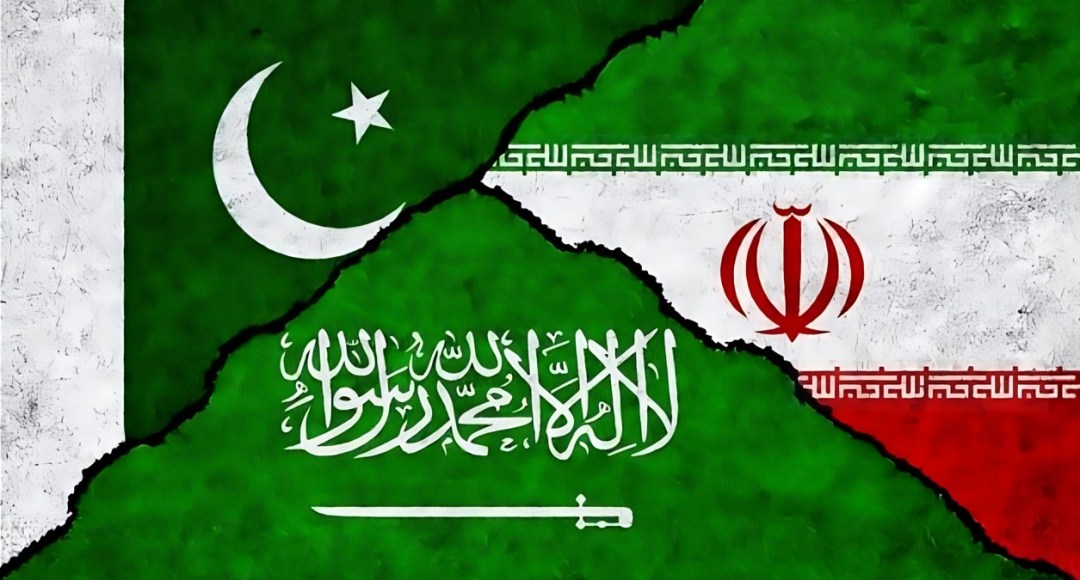
Pakistan at a Crossroads: Seizing the Opportunities of the Iran-Saudi Thaw
The recent reconciliation between Iran and Saudi Arabia represents a significant and transformative change in the region's dynamics. This unforeseen development offers Pakistan the opportunity to access new possibilities that were previously unavailable. It provides a distinct chance for Pakistan to move away from conventional alliances and adopt a fresh approach towards diplomacy and collaboration.

A Conflict Hotbed: Indus Water Treaty Jeopardized by Climate Change
Information and communication technology (ICT) has become an inseparable part of our daily lives, impacting various aspects such as business, entertainment, communication, education, and even food production. The widespread adoption of ICT, with nearly five billion mobile phones globally, signifies its global presence. Despite its almost universal reach, the advantages and opportunities provided by ICT are not equally accessible to all. Mere access to the "world information society" does not guarantee full participation and inclusion.

